
Stucco Services
STUCCO REPAIR & RESTORATIONELASTOMERIC STUCCOPainting Services
INTERIOR PAINTINGEXTERIOR PAINTING100% ACRYLIC PAINTS & FINISHESCOMMERCIAL EXTERIOR PAINTINGOther Services
COMMERCIAL & MULTI-FAMILY PAINTING & STUCCOWINDOW & DOOR REPLACEMENT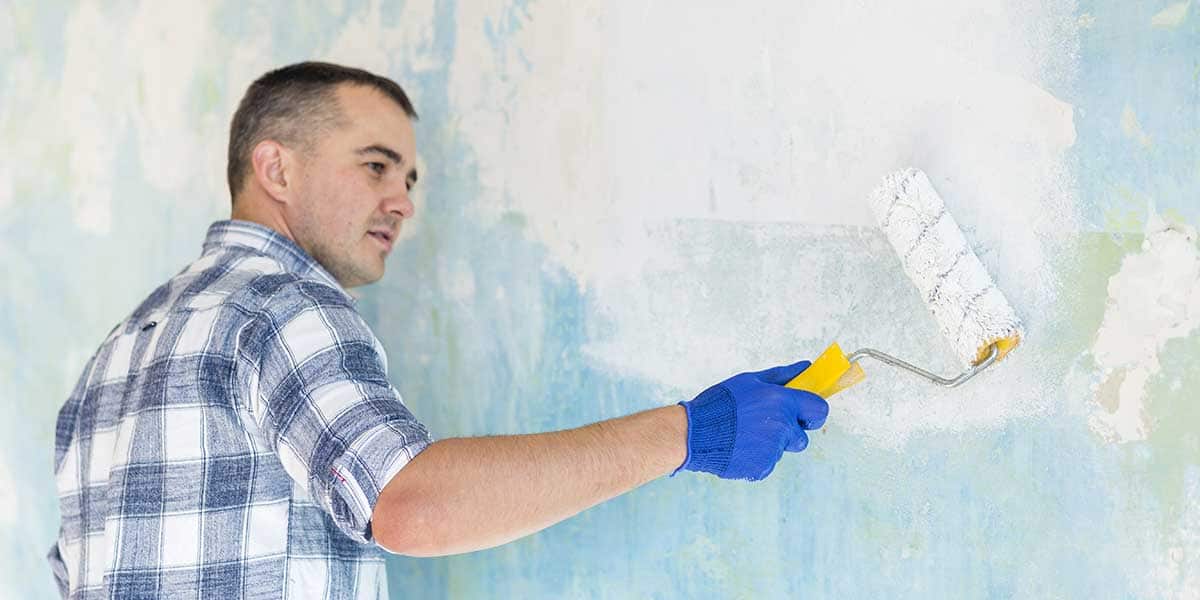
You roll a fresh coat of paint across a textured wall, but the recessed areas still reveal the old color. At Engel Coatings Inc., we assess texture depth before selecting tools or materials. Our painters in Las Cruces examine the wall pattern to correctly choose equipment because we know a standard roller may pass right over deeper grooves. In this guide, we explain how professionals paint textured walls to cover recessed areas while preserving the existing pattern.
Raised patterns contact the roller before recessed areas. This means a shallow nap may skip deeper grooves. To paint walls evenly, professionals need to match the roller cover and application method to the texture depth. This approach helps the coating reach both high points and indentations more consistently.
Careful textured wall preparation gives the new coating a clean, stable surface to grip. We complete the following work before opening the can:
Thorough preparation reduces adhesion problems that might otherwise affect the finished wall.
To paint textured walls evenly, we consider pattern depth and how the room is used. The sections below explain how those details shape each tool and material choice.
Paint roller selection begins with analyzing pattern depth. A thick-nap roller carries more coating into deep recesses, while a shorter cover may suit lighter texture. We avoid foam on pronounced patterns because it tends to skim the high points.
We use a two-inch angled brush to reach corners or edges where the roller cannot fit cleanly. Dabbing paint into grooves helps preserve the pattern and limits buildup along trim.
We select sheen based on cleaning needs and lighting. Eggshell offers moderate washability, while satin handles frequent cleaning but may emphasize raised texture. Use this guide to choose the best paint for each room.
Primer application is useful after patching because repaired areas may absorb coating differently from the surrounding texture. We may also recommend it when covering a dark shade with a lighter color. However, primer does not replace cleaning or repairs.
Effective painting techniques for textured surfaces help us reach recessed areas without creating drips. We follow the tips below to build an even coat:
Consistent pacing keeps coverage uniform and reduces touch-ups after the coating dries.
To paint textured walls evenly, we account for the extra surface area created by ridges and grooves. Textured finishes often require more material than flat drywall.
We estimate how much paint is needed before work begins instead of spreading a thin layer across the room. Having enough material helps us maintain consistent color and avoid the seams caused by stopping partway through.
We let the first coat dry according to product instructions before evaluating coverage. Applying another layer too soon can pull at the existing finish or leave an uneven sheen.
We inspect the wall from different angles because raised patterns can hide thin spots or drips when viewed straight on. We correct small gaps with a brush or roller suited to the area instead of recoating the entire surface.
Professionals always follow product guidance when removing painter’s tape and scoring the edge as needed to prevent peeling. Protective coverings remain in place until all touch-ups are complete.
Engel Coatings Inc. has served homeowners throughout the region since 1989. When you need to paint textured walls, our team uses careful preparation and controlled application to build consistent coverage.
You can also learn about the repair process for popcorn ceilings before updating this textured surface. Our services also include exterior painting and stucco repair. Call (575) 642-5481 to discuss your project and request an estimate.